Aga Khan Award Nomination 2010
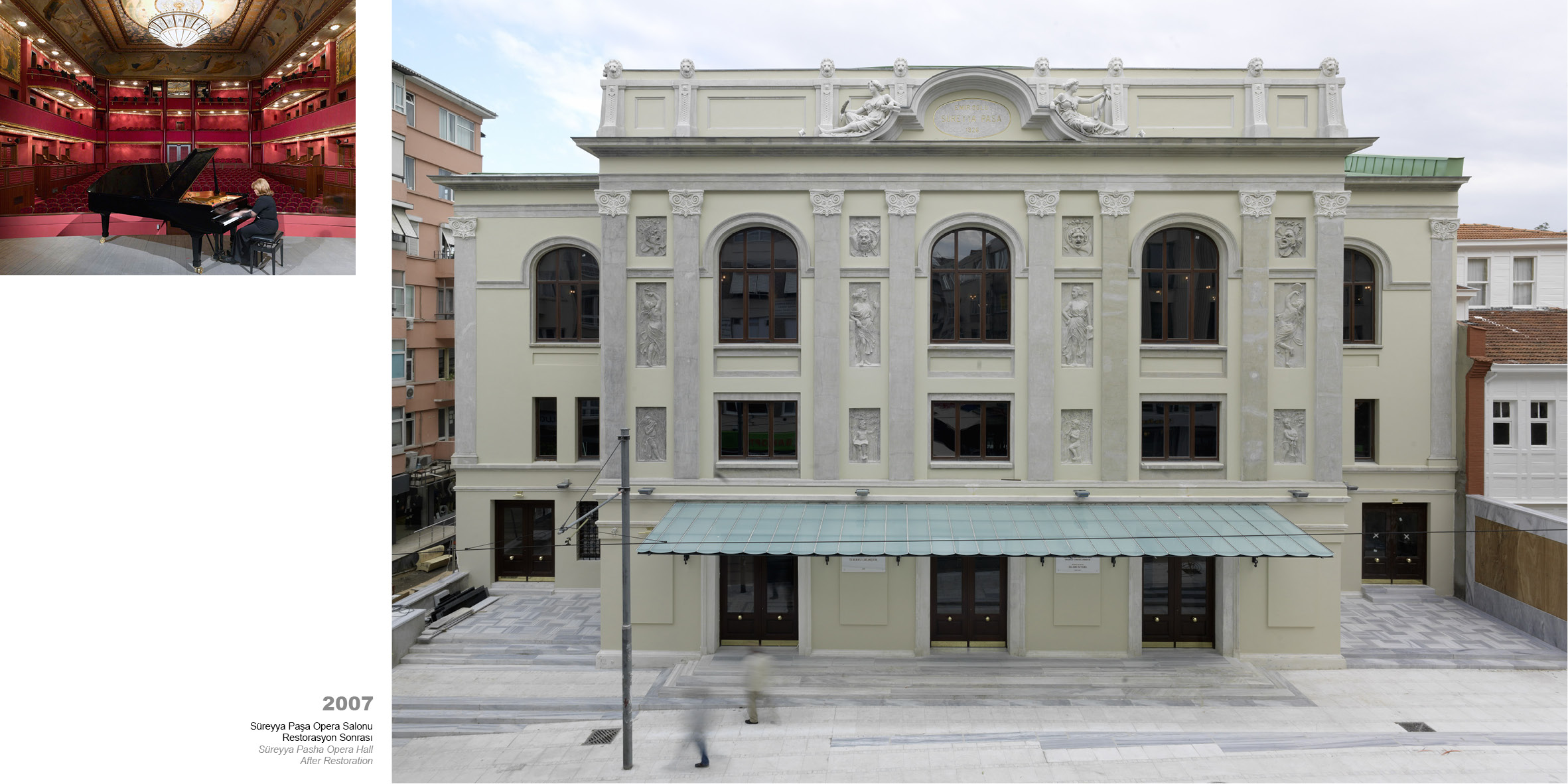
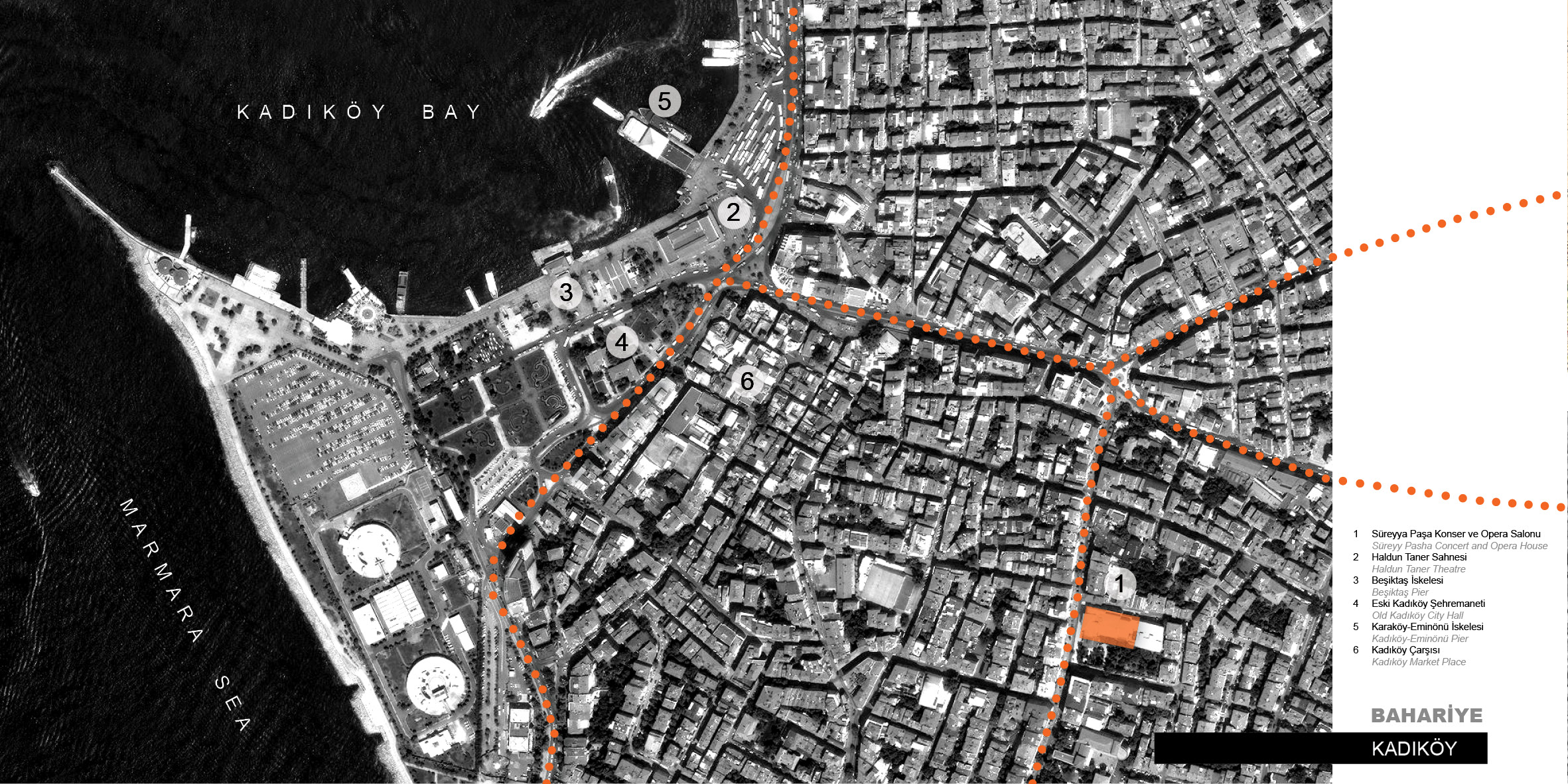
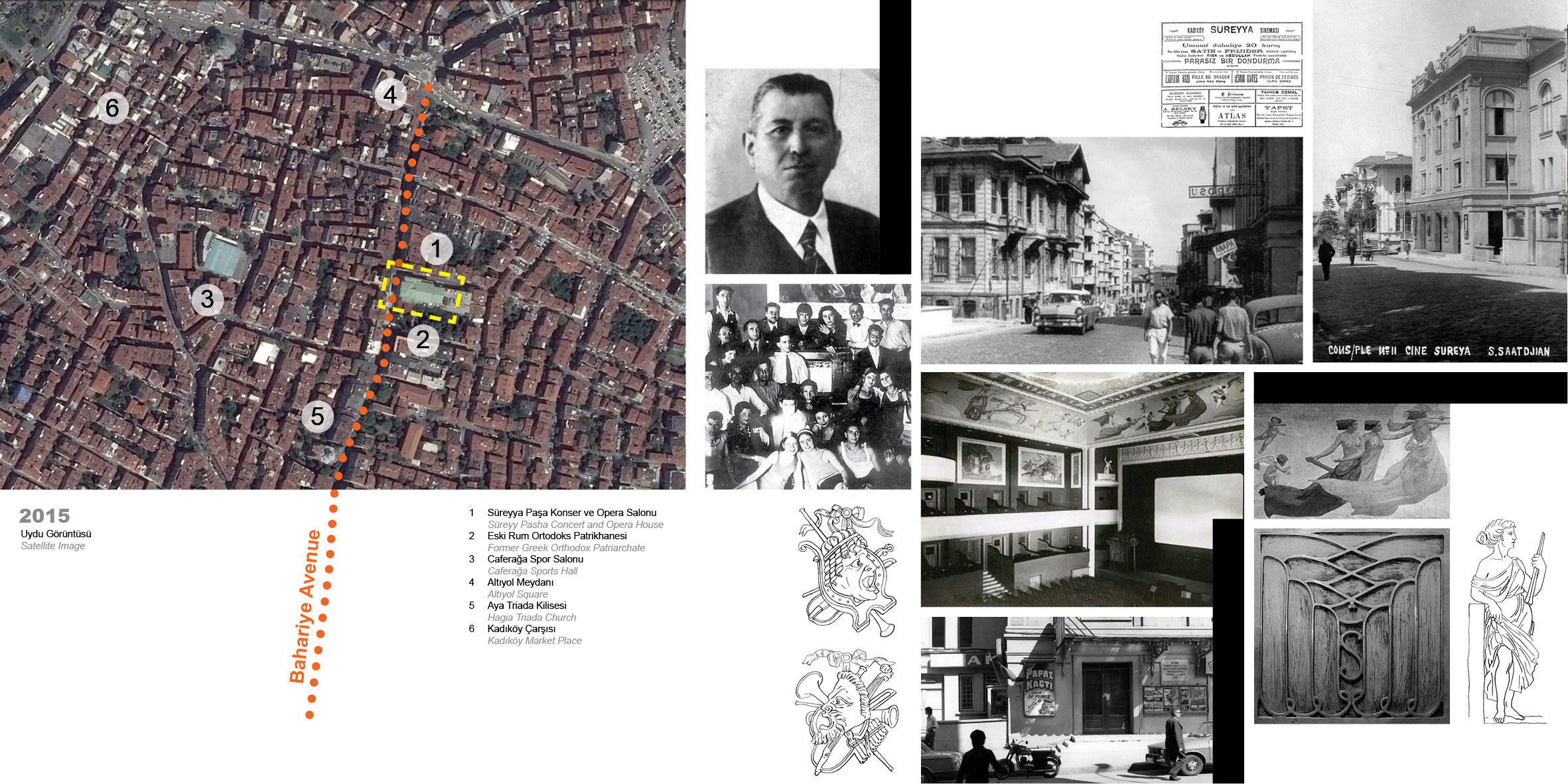
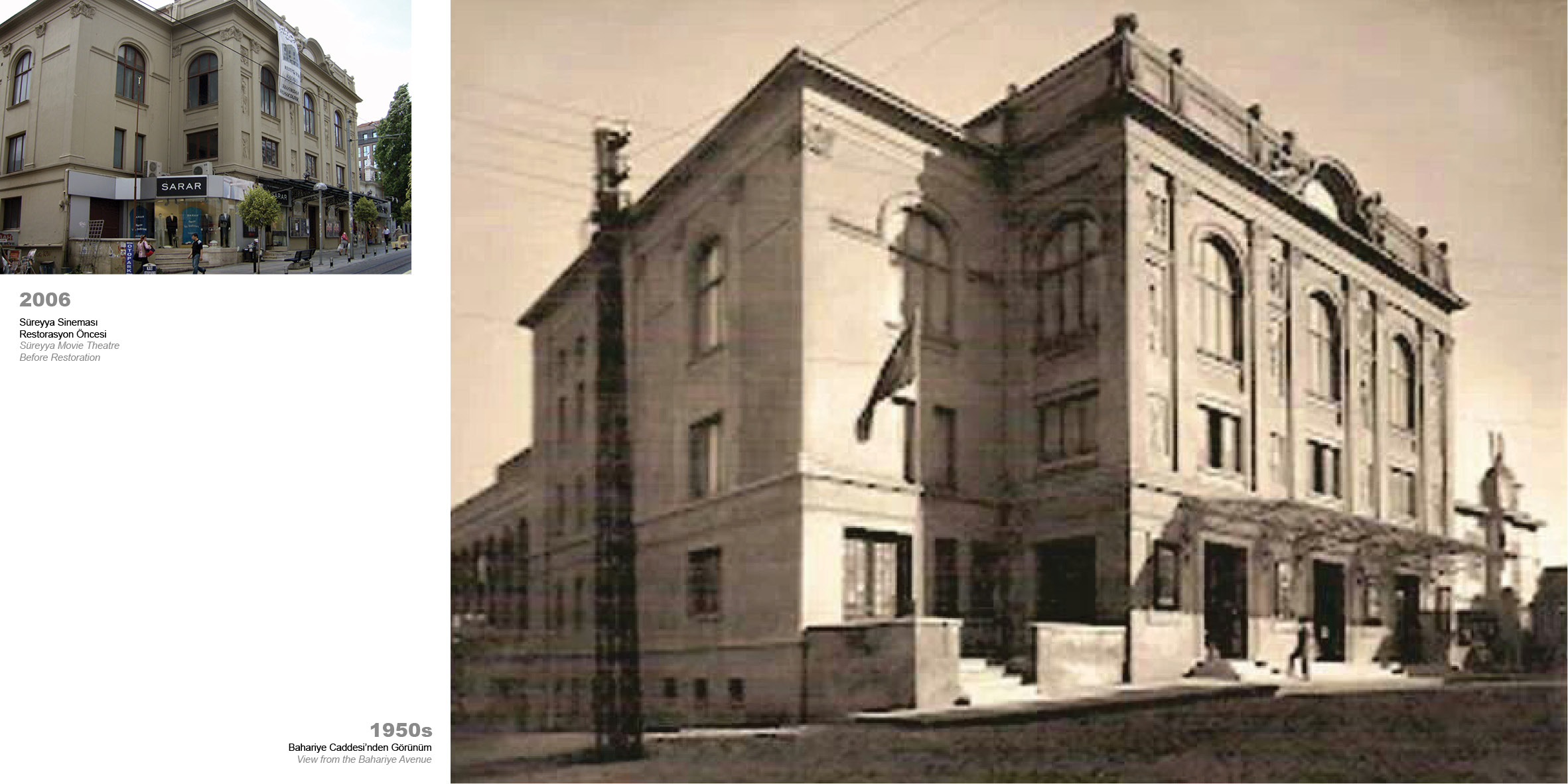
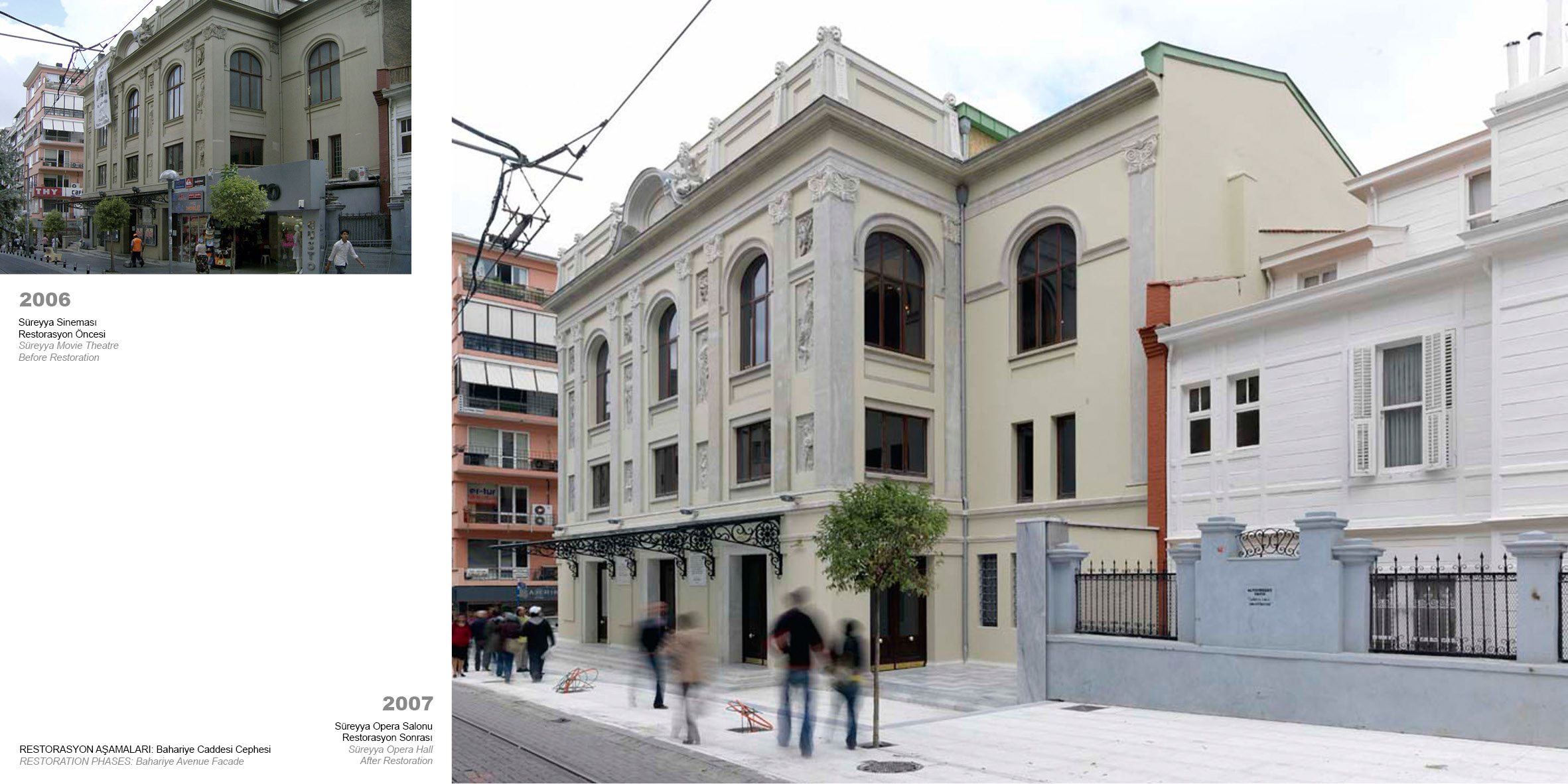
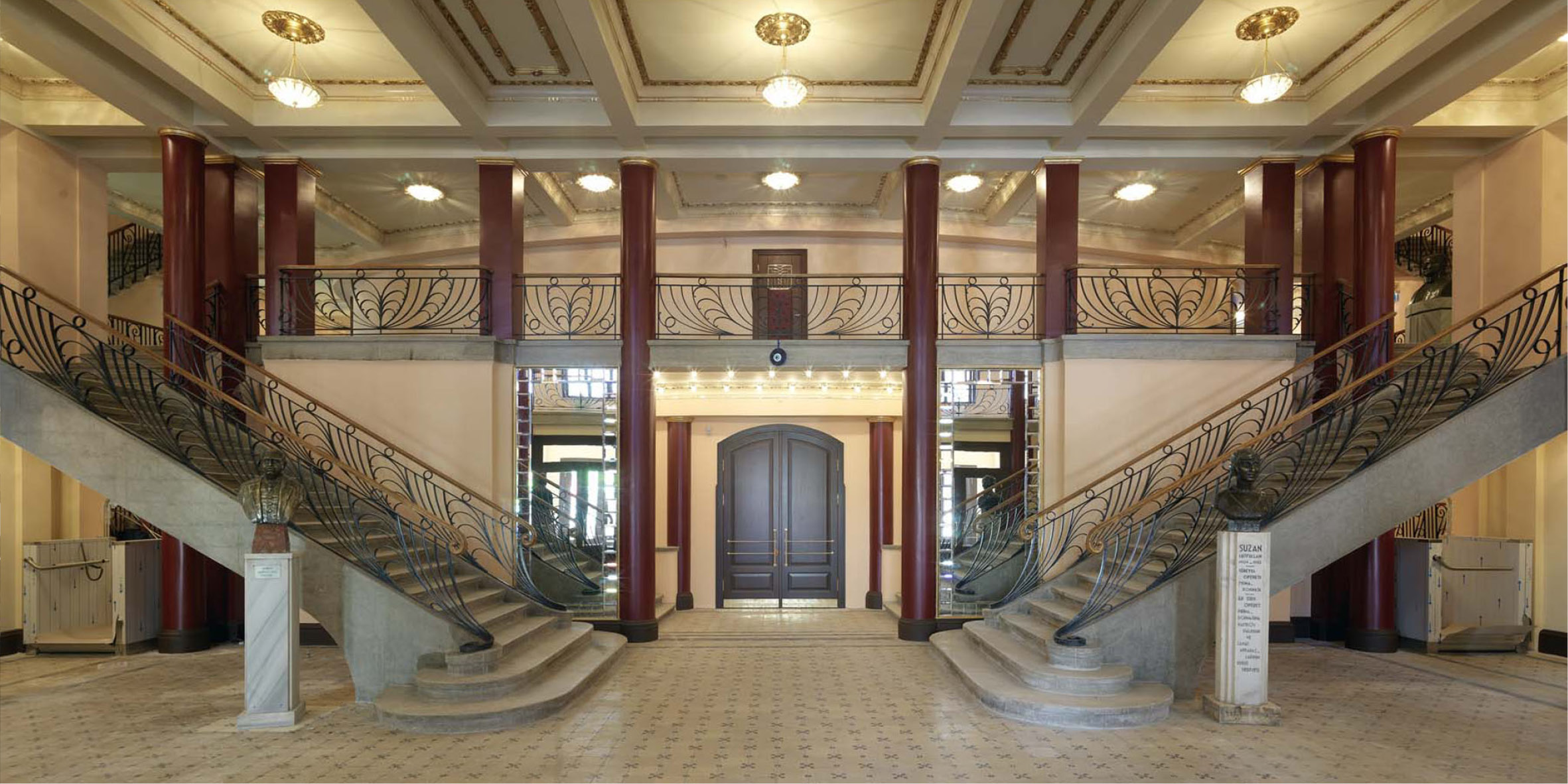
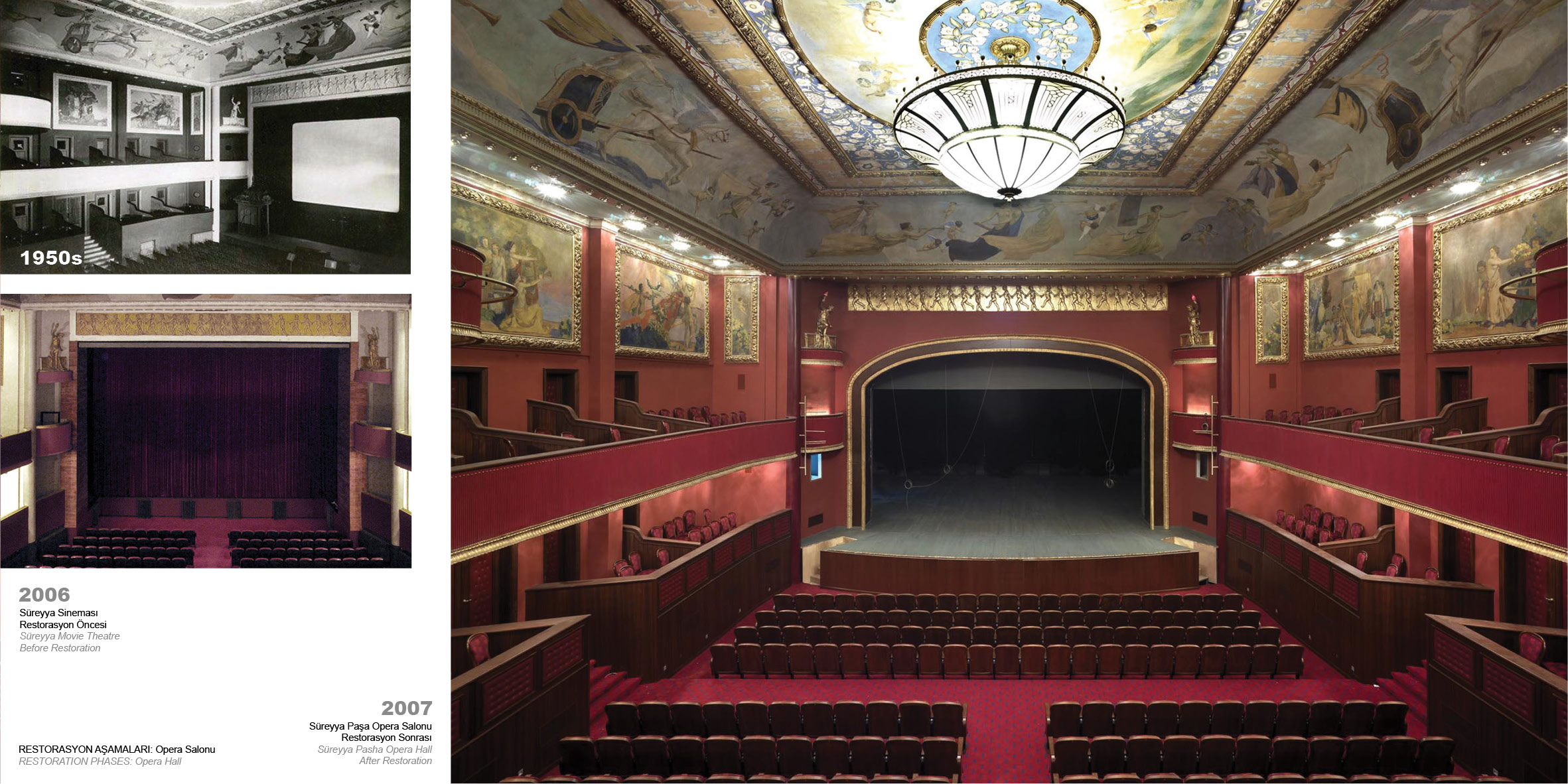
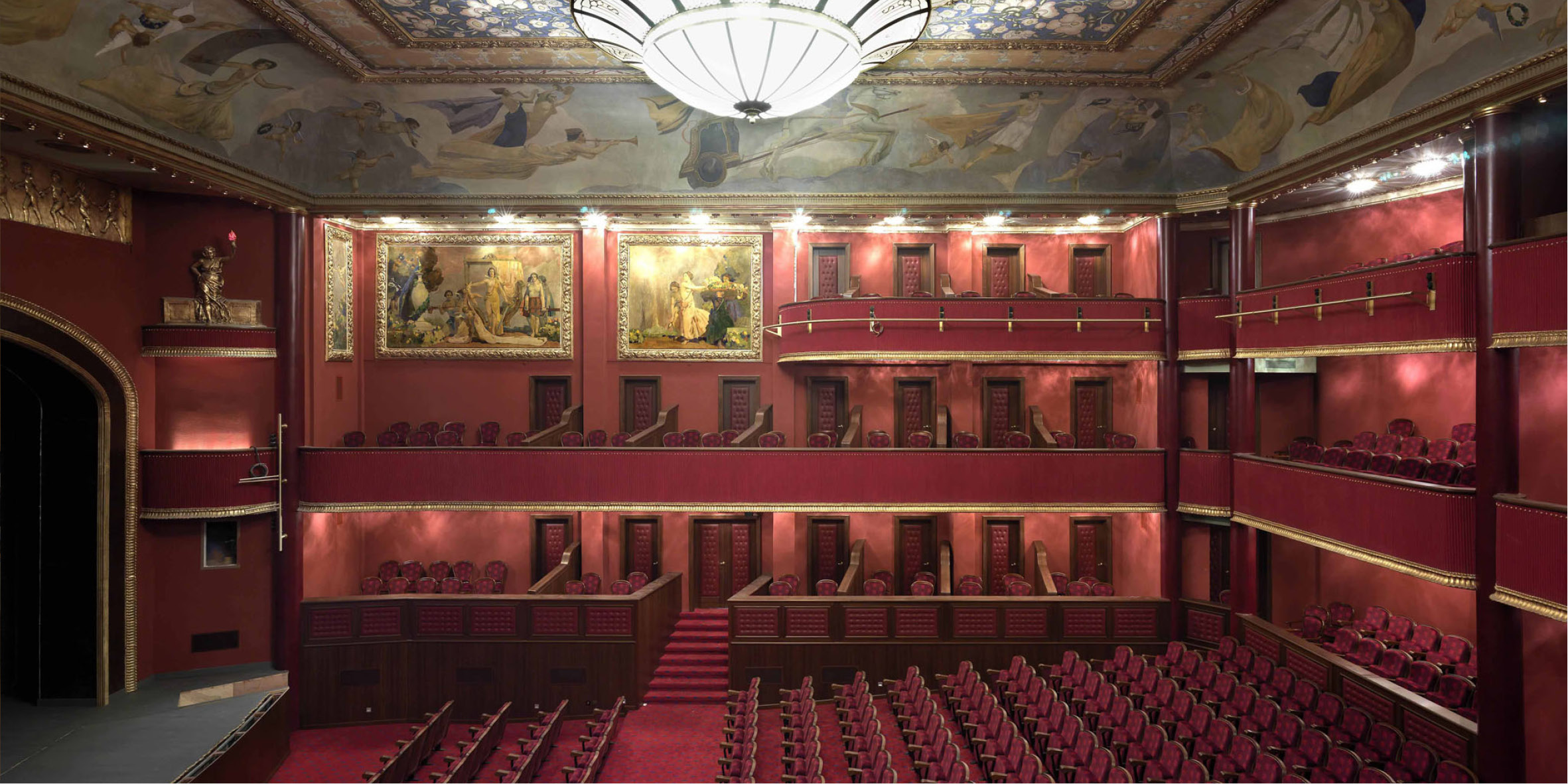
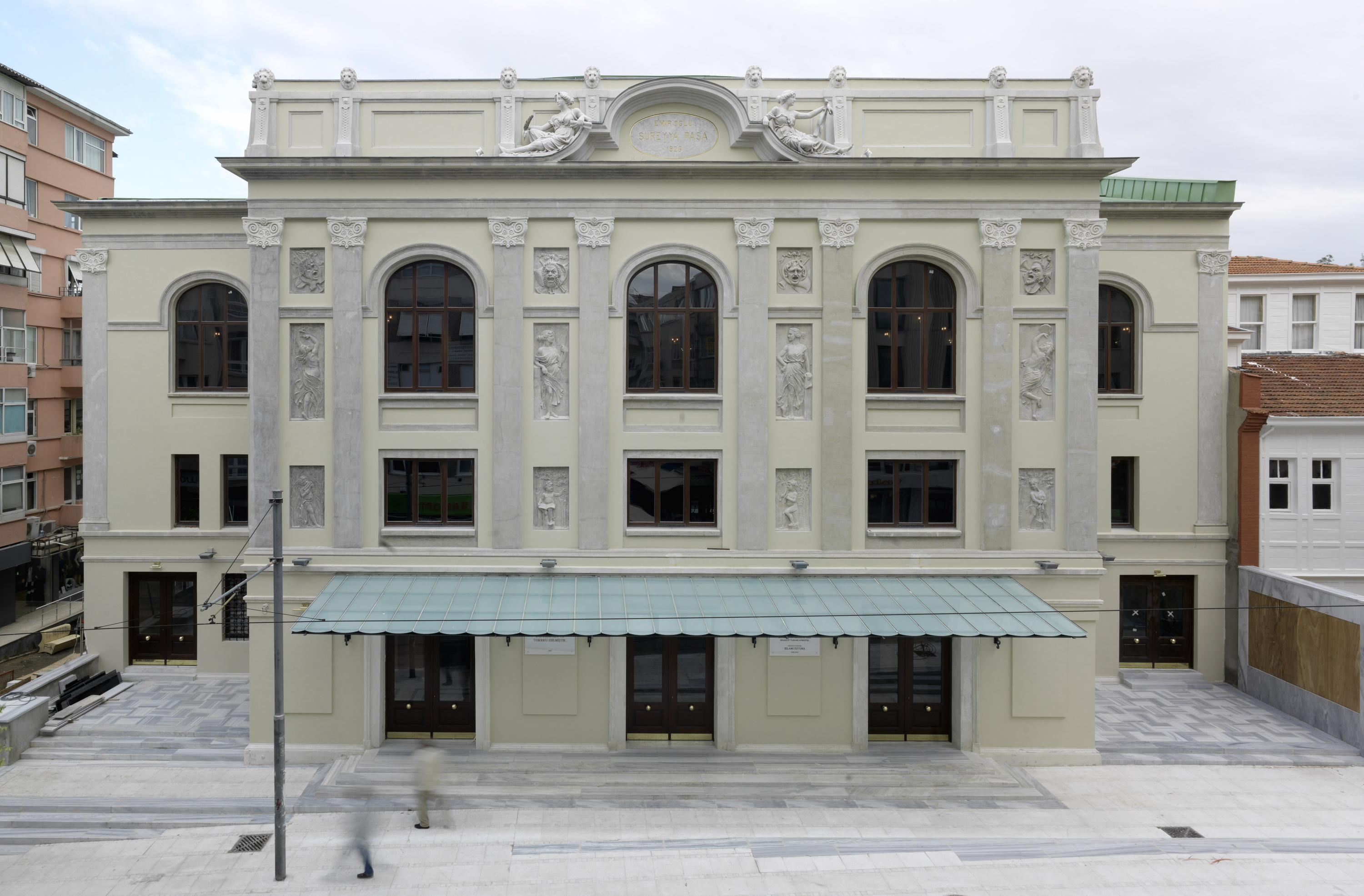
The Süreyya Pasha Concert and Opera House in Istanbul, situated on Bahariye Street in Kadıköy, was built for Süreyya İlmen Pasha between 1923-26. The entrance was inspired by the Champs-Élysées Theatre in Paris, and the auditorium by classical German theatres.
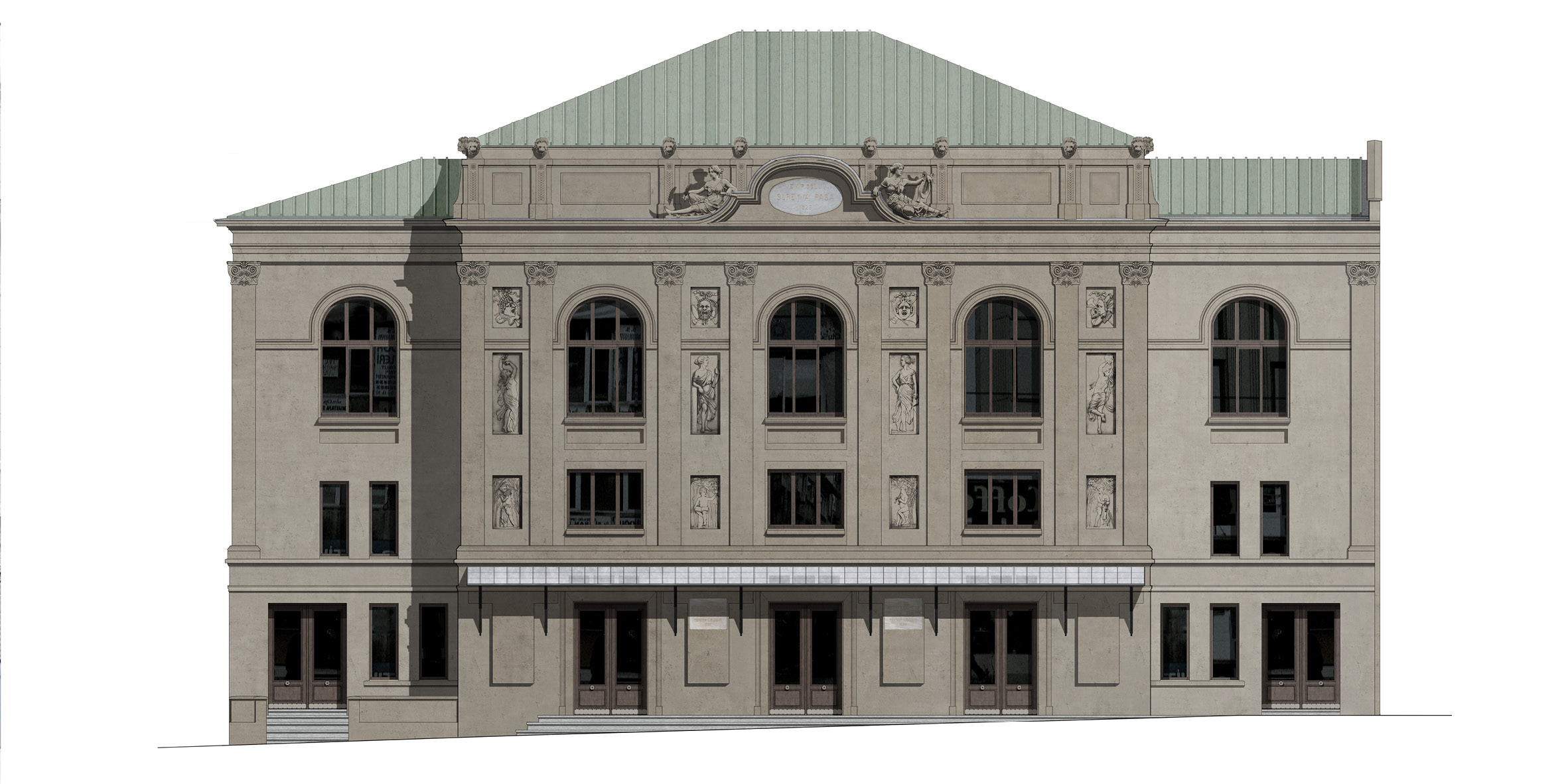
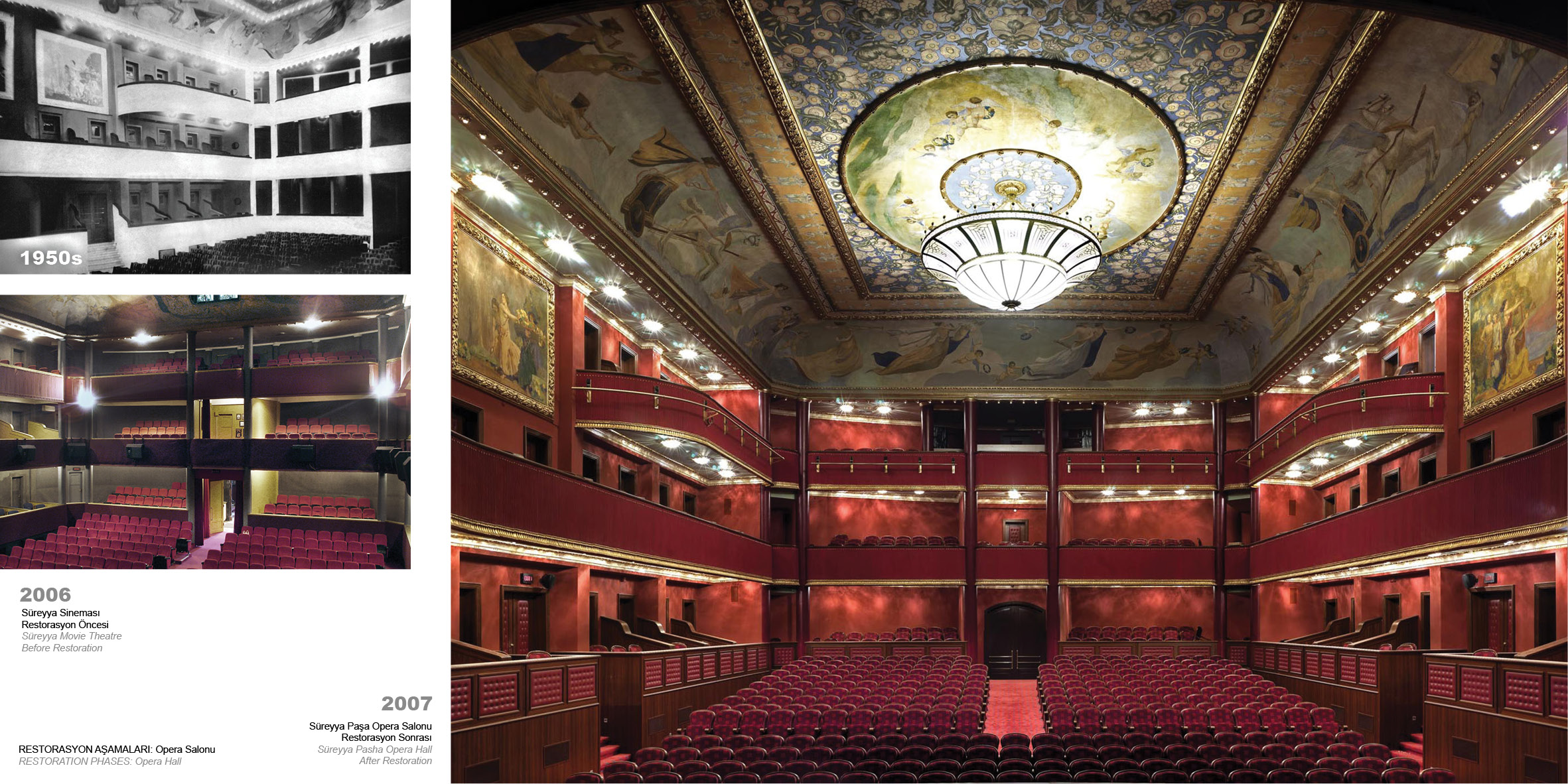
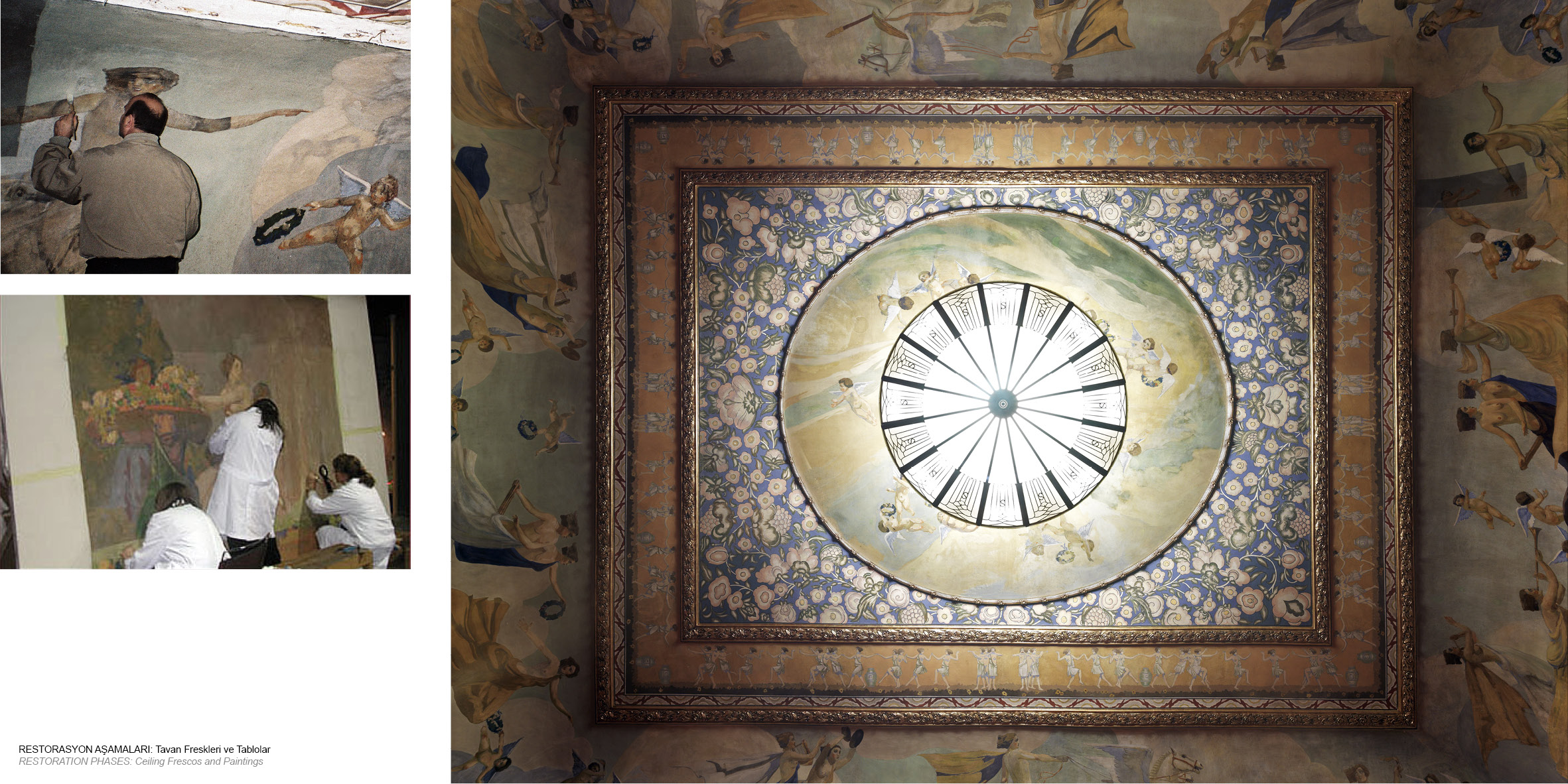
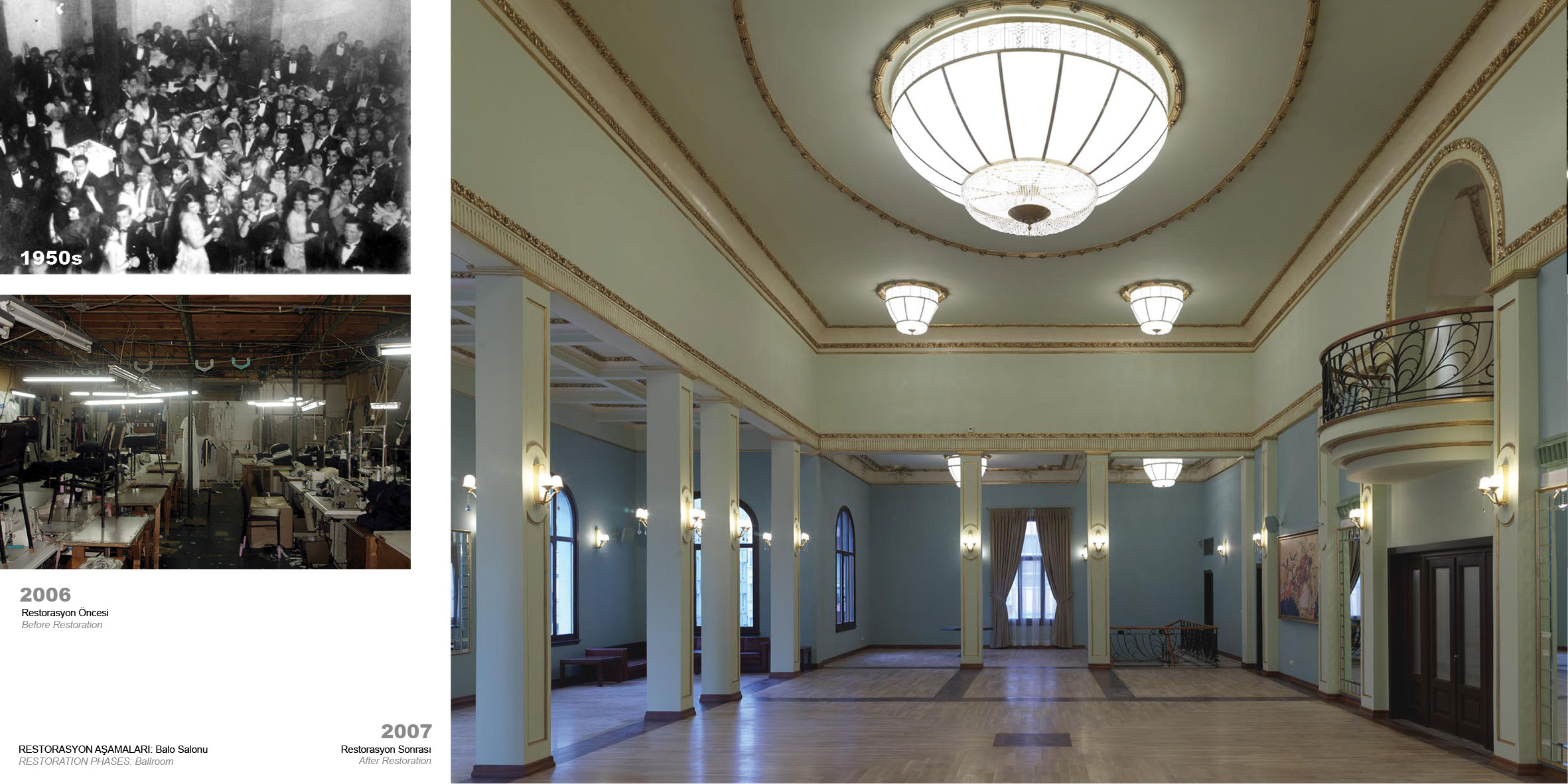
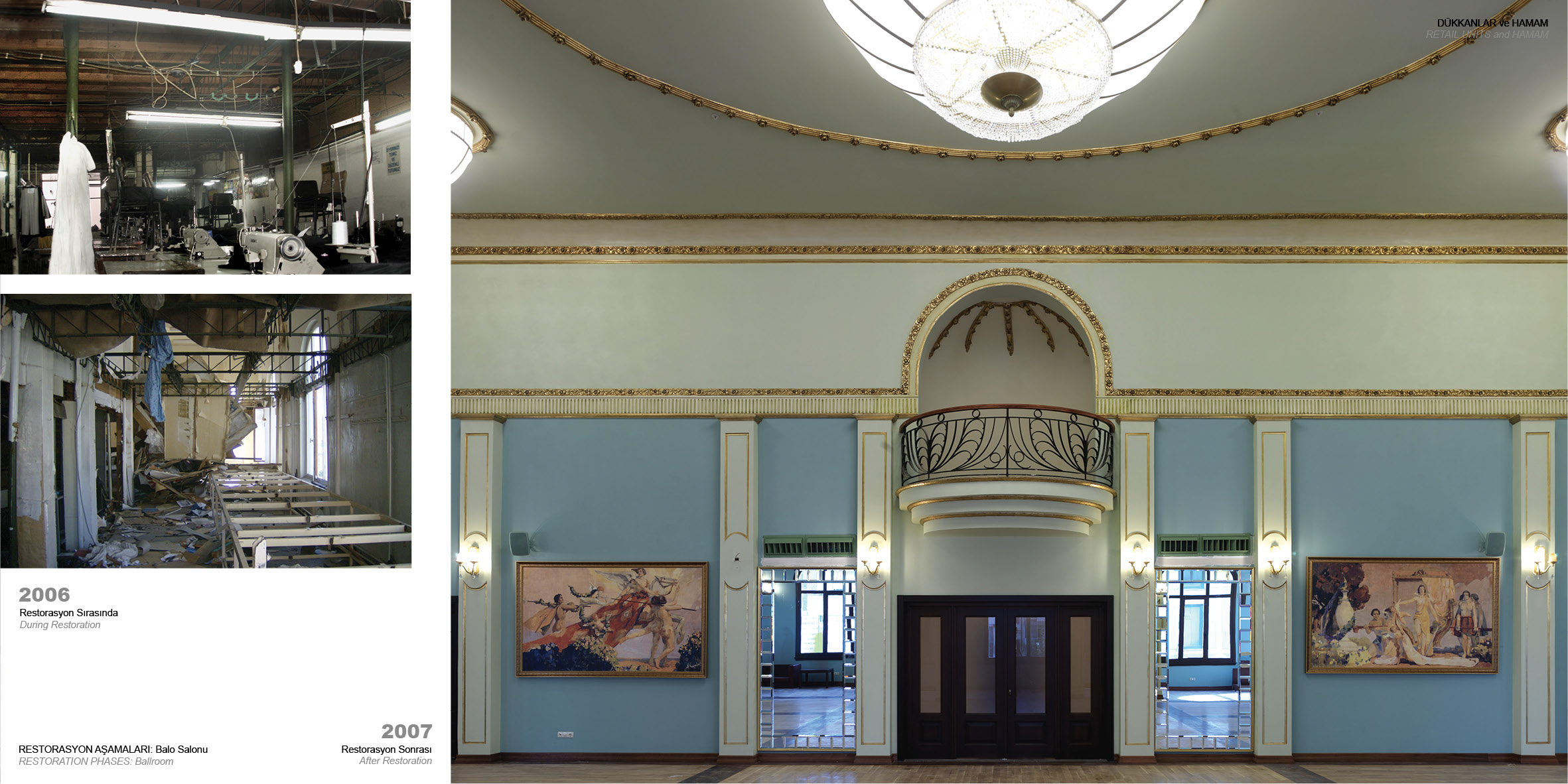
As the stage facilities were never completed, it was mainly used as a movie theatre. The house also includes a ballroom. One of Kadıköy’s first theatres, the Süreyya was strikingly different from any other theatre, particularly in terms of its foyer and auditorium. The frescoes on the ceiling of the opera hall were painted by Naci Kalmukoğlu (Kalmukov, originally Russian). The sculptures on the façade of the building as well as those around the proscenium arch were made by İhsan Özsoy, one of Turkey’s first sculptors.
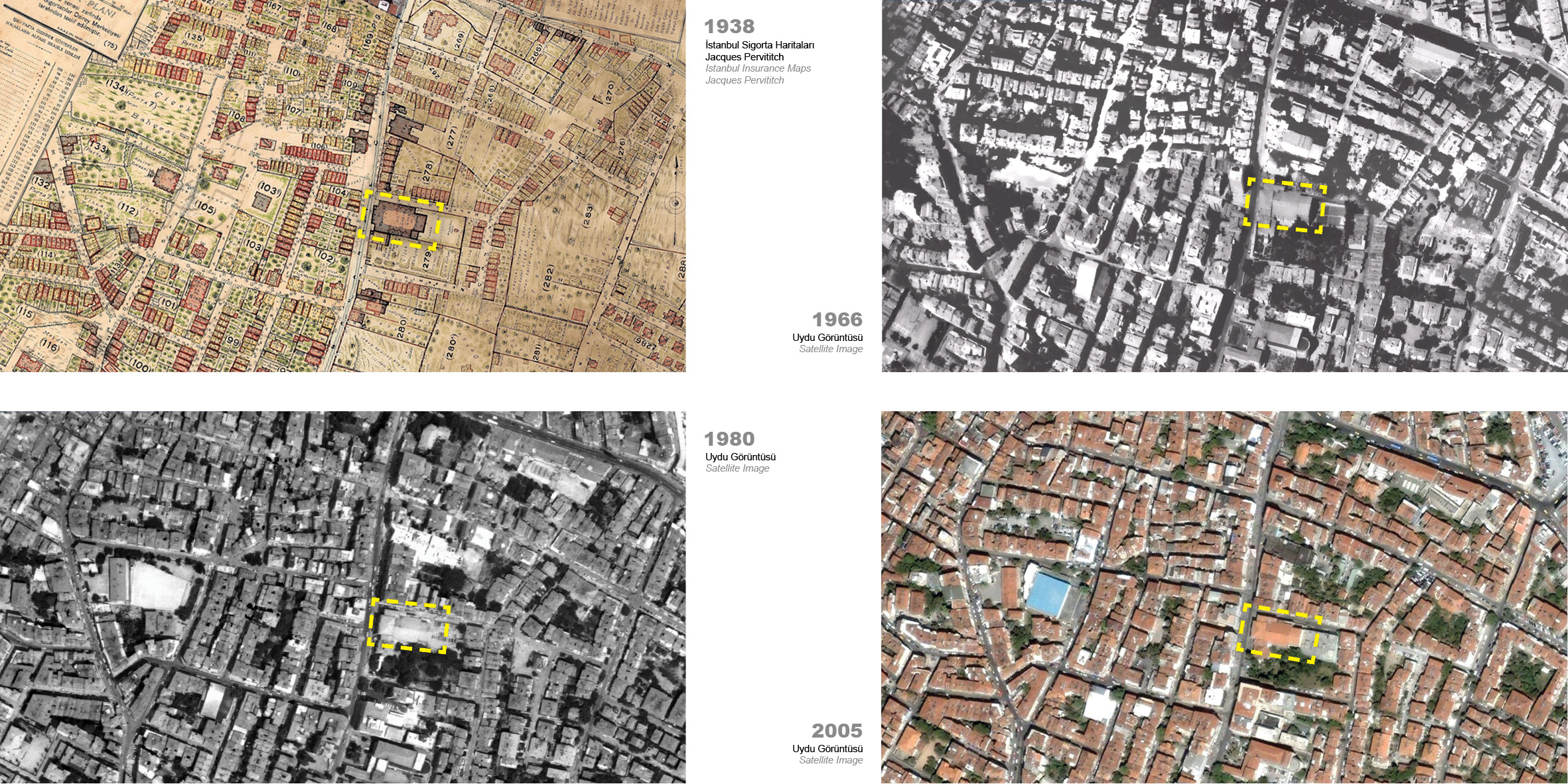
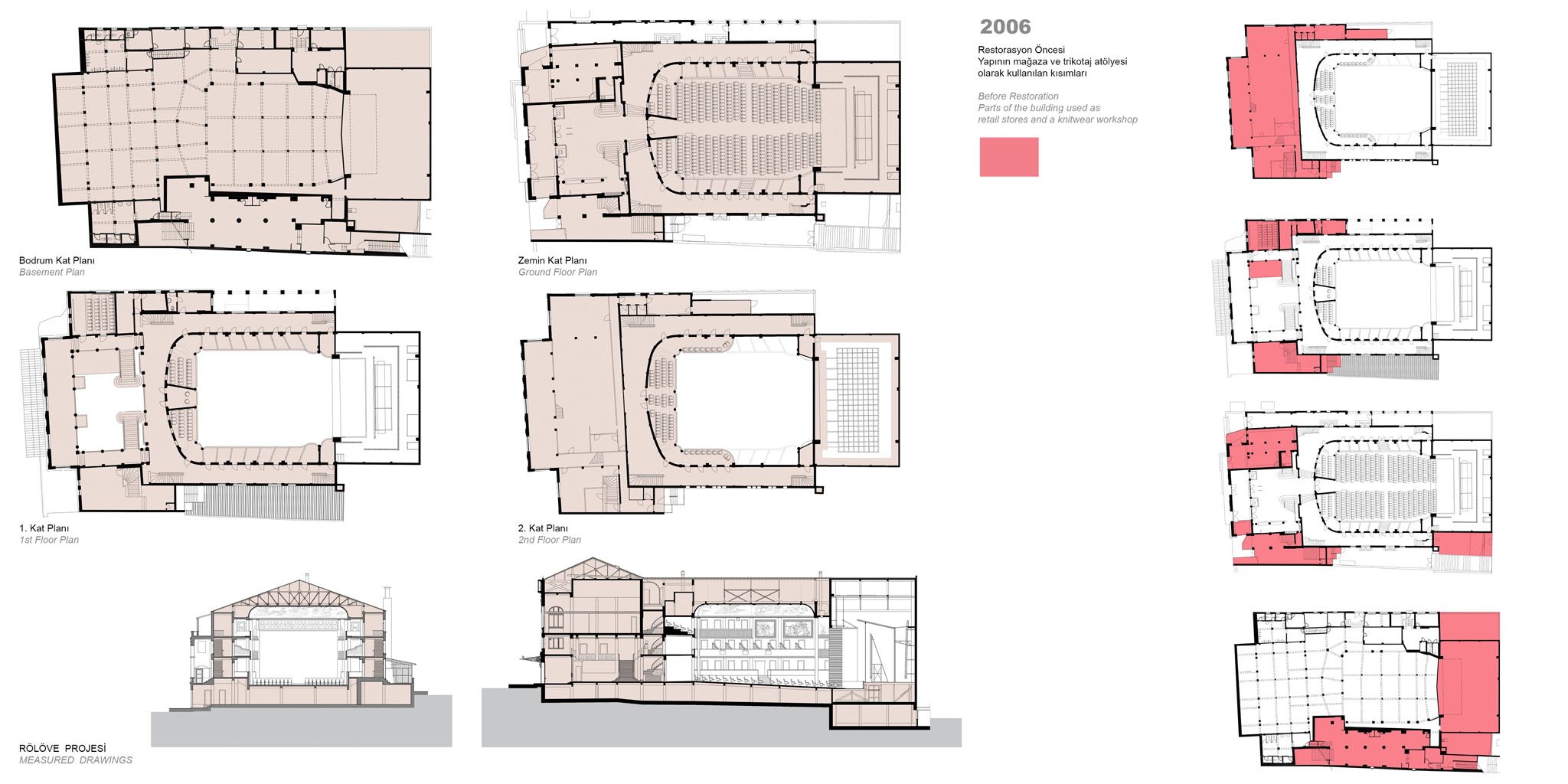
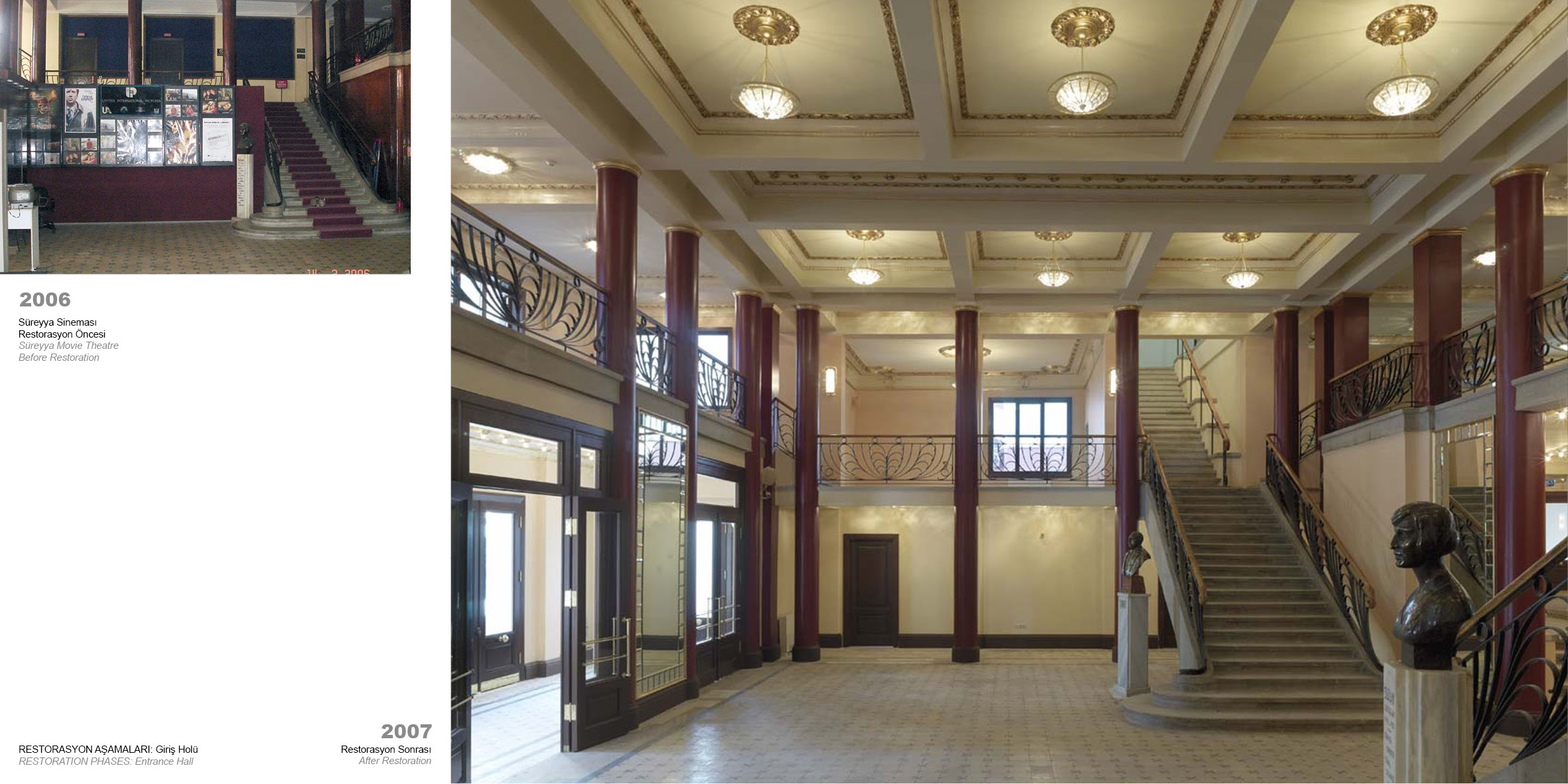
Under the restoration project, all the alterations and additions that had spoilt the original character of the building have been removed. The building’s founder, Süreyya İlmen, explains in his memoirs that his original intention had been to provide a theatre for the inhabitants of Kadıköy, but that the stage facilities remained unfinished.
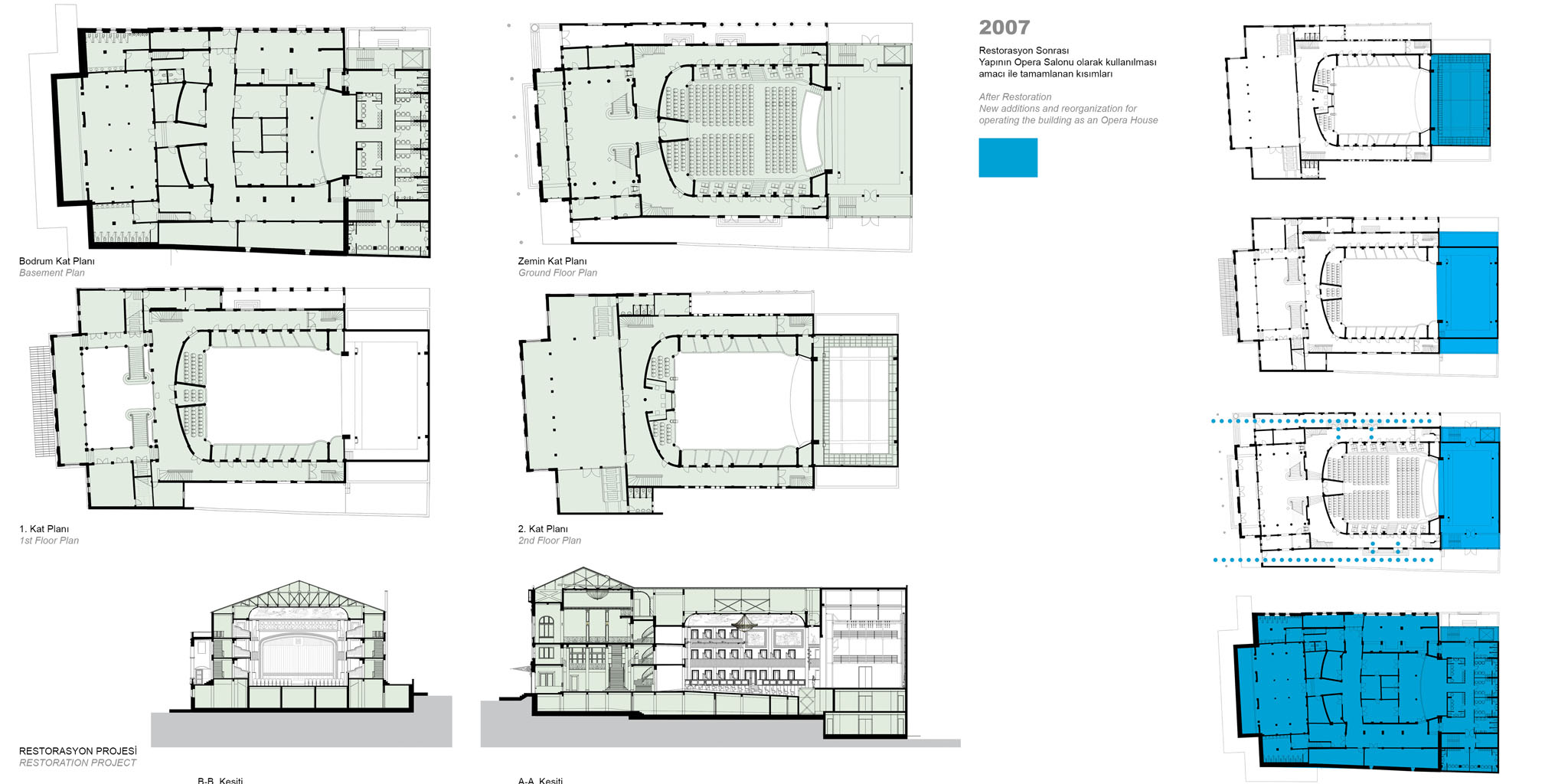
Thus, we proposed completing the backstage structure and adding side stages in our restoration project. While no additions are typically allowed in historic buildings, the following decisions were successfully approved by the Historic Preservation Committee:
This project received the Union of Historical Towns “Excellence in Architecture Award” in 2006.